The Changing Seasons: Menopause Support Counselling
- Jennifer Rose

- Aug 1
- 6 min read

Support Through Change, Identity & a New Chapter of Life
Menopause is more than
just physical
Menopause is often spoken about as a physical transition, but for many people it is also an emotional, psychological and deeply personal journey.
Alongside changes in the body, menopause can bring changes in confidence, identity, relationships, priorities and sense of self. You may find yourself feeling more emotional, more reflective, less certain, or simply different in ways that are difficult to explain. For some, menopause feels liberating. For others, it can feel unsettling, overwhelming or unexpectedly lonely.
Many people tell me:
"I don't feel like myself any more."
Counselling offers a space to explore these experiences, make sense of what is changing, and navigate this stage of life with greater understanding and self-compassion.
Understanding Menopause as a Life Transition
Menopause is not simply a medical event.
It is a significant life transition.
Like many transitions, it can involve both endings and beginnings.
You may find yourself reflecting on:
Who you are now
What matters most to you
How your relationships are changing
What you want from the next chapter of life
How you feel about ageing
What you may be leaving behind
What opportunities might lie ahead
For many people, menopause arrives at a time when other life changes are also taking place.
Children may be becoming more independent. Parents may need increasing support. Careers may be evolving. Relationships may be changing. Long-held roles and routines may no longer fit in the same way they once did.
It is understandable that this can feel like a lot to navigate at once.
When the Map No Longer Feels Familiar
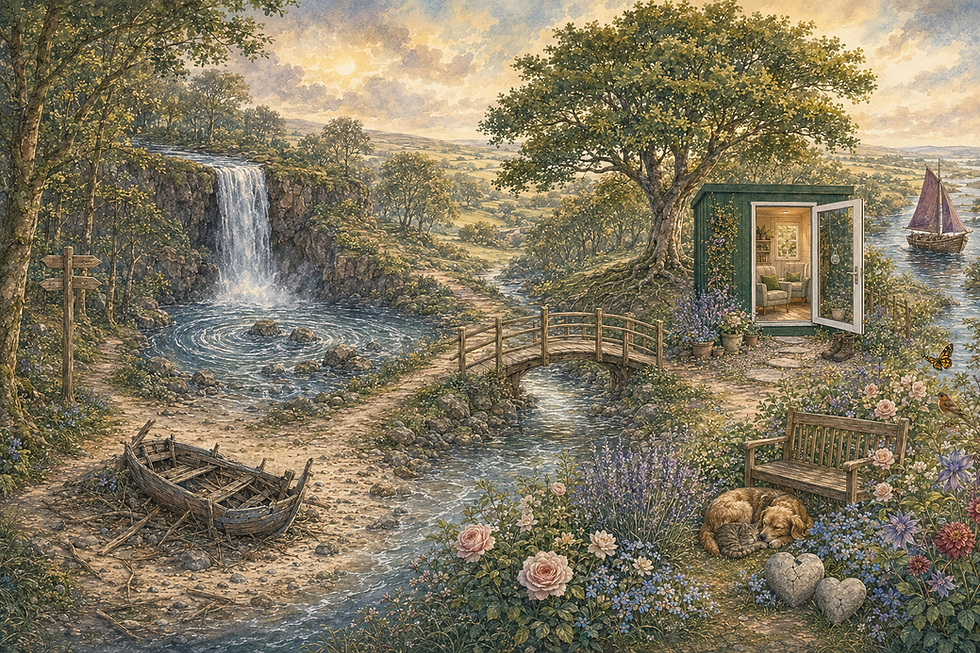
One of the challenges of menopause is that many people find themselves standing in a place they have never been before. The things that once helped you understand yourself may no longer seem to fit.
Your energy may feel different.
Your emotions may feel different.
Your priorities may feel different.
You may feel caught between who you have been and who you are becoming.
This can create a sense of uncertainty, even when life appears fine from the outside.
Sometimes the challenge is not knowing what path to take next.
Sometimes it is learning to trust yourself on a path that feels unfamiliar.
What Might Be Changing?
Every person's experience is different, but menopause can influence many areas of life.
Your Relationship With Yourself
You may notice changes in confidence, self-image or the way you see yourself.
You might find yourself questioning old assumptions or becoming more aware of your own needs and boundaries.
Your Relationship With Others
Changes in mood, energy and priorities can affect relationships with partners, family members, friends and colleagues. You may find yourself wanting different things from the people around you.
Your Priorities
What once felt important may no longer hold the same significance.
Many people begin reassessing how they spend their time, energy and attention.
Your Sense of Purpose
Questions about meaning, fulfilment and direction often emerge during times of transition.
You may begin to wonder what you want this next chapter of life to look like.
Why Can Menopause Feel Emotional?
While hormonal changes can influence emotional wellbeing, many people find that menopause touches much deeper aspects of their lives. This stage can bring experiences of loss that are not always recognised by others. You may be grieving:
Fertility or reproductive choices
A younger version of yourself
Physical abilities or energy levels
Certain hopes or expectations for the future
Familiar roles and identities
The predictability of how things once felt
These losses are not always obvious, yet they can carry real emotional weight.
Finding Your Way Through Change
Menopause can feel like entering unfamiliar territory without a clear map. At times you may feel lost, overwhelmed or unsure of how to move forward.
One of the ways I support clients is by helping them develop a clearer understanding of what they are experiencing and where they are in their journey. Together, we can explore practical and accessible ways of making sense of emotional experiences. This might include understanding how your nervous system responds to stress, recognising when you are becoming overwhelmed, exploring patterns in relationships, or learning why certain life transitions can feel so destabilising.
Many clients find it helpful to learn concepts such as the Window of Tolerance, the Stress Bucket, attachment patterns and other tools that form part of the roadmap I use to help people navigate grief, loss and life transitions. These ideas are not about labelling you or suggesting something is wrong.
They are simply ways of making sense of experiences that can otherwise feel confusing and overwhelming.
Understanding where you are can often be the first step towards discovering where you want to go next.
Frequently Asked Questions About Menopause
Why do I feel different during menopause? Many people notice emotional, psychological and identity shifts during menopause. These changes can be influenced by hormones, life circumstances and the natural process of adapting to a new stage of life.
Why has my confidence changed? Menopause can affect how we see ourselves, our bodies and our place in the world. Changes in confidence are common and often linked to broader questions about identity and self-worth.
Is it normal to feel more emotional? Yes. Many people experience increased emotional sensitivity, irritability, anxiety or tearfulness during menopause. These experiences can feel unsettling but are not uncommon.
Can menopause affect relationships? Absolutely. Changes in mood, energy, confidence and priorities can influence how we relate to others and what we need from our relationships.
Is it normal to grieve during menopause? Yes. Many people experience forms of grief during menopause, even when no bereavement has occurred. This may relate to fertility, identity, ageing, changing roles or other aspects of life that are shifting.
Why do I feel lost at this stage of life? Life transitions often involve a period of uncertainty. Feeling lost does not mean you are doing something wrong. It may simply be a sign that you are navigating unfamiliar territory.
How Counselling Can Help
Counselling provides a dedicated space to explore what menopause means for you.
Together, we can:
Make sense of emotional changes
Explore questions around identity and self-worth
Understand feelings of grief or loss
Develop strategies for coping with overwhelm
Improve self-compassion and confidence
Navigate relationship challenges
Explore changing priorities and values
Build a stronger sense of direction for the future
Counselling is not about fixing menopause.
It is about supporting you as you navigate a significant transition in your life.
Helpful Resources
Every person's experience is unique, but understanding what you're experiencing can often make it feel a little less overwhelming. The resources below explain some of the ideas and models I regularly use in counselling and psychotherapy to help people understand grief, loss, emotional wellbeing, and life transitions. You may find these helpful alongside this article:
Together, these guides form part of My Therapy Roadmap; a collection of practical resources designed to help you better understand yourself and navigate grief, loss and life's many transitions at your own pace.
My Approach

As a qualified NCPS Accredited Registrant and ACC counsellor and psychotherapist, I support adults navigating grief, loss and life transitions, including bereavement, relationship changes, menopause, pregnancy and infant loss, pet bereavement, caring responsibilities, retirement, anxiety, depression, burnout, and the emotional impact of life-changing health diagnoses and long-term health conditions. I offer counselling from my private therapy cabin in Littlehampton, West Sussex, walk and talk therapy in nature, and secure online counselling across the UK, so together we can find an approach that feels safe, comfortable and right for you.
Alongside counselling, I often draw upon psycho-educational resources and practical tools that can help bring understanding to experiences that may otherwise feel confusing or overwhelming. Together, we can work towards understanding your grief and finding a way forward that feels meaningful and authentic to you.
Taking the First Step
Support starts with a conversation.
Beginning counselling can feel like a big step, especially if you've never spoken to a therapist before. That's why I aim to make the process as straightforward and welcoming as possible.
You can book a free 15-minute consultation online at a time that suits you, with instant access to my real-time availability. Appointment confirmations, reminders, secure payment and online session links are all handled automatically, making the process simple and stress-free.
If online booking isn't your preference, that's absolutely fine. You're welcome to contact me through my website, by email, text or phone, and I'll be happy to help you arrange an appointment.